In World of Warcraft, Threat is the invisible tether that binds an enemy to a player. For many DPS and Healers, threat feels like a Random Chaos Variable—one moment they are safe, the next they are being crushed. This is the Aggro Ignorance Trap. Understanding threat is not just the Tank’s job; it is a Shared Group Responsibility. “Threat Explained” is the discipline of Aggression Management. By understanding how threat is generated and lost, you can push your performance to the limit without ever “Pulling Aggro.”
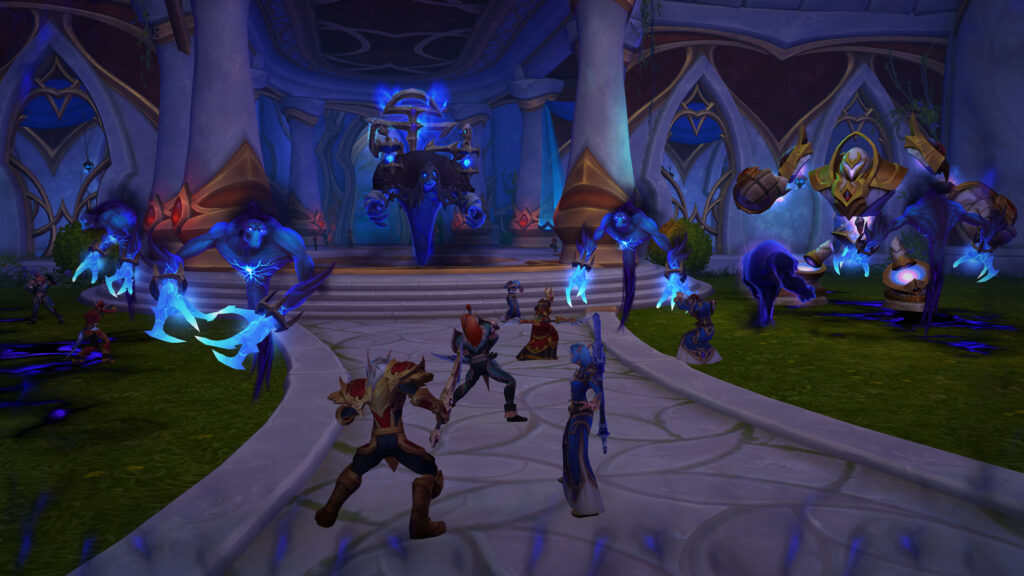
The “Initial Pull” Danger Zone
Most “Threat Swaps” happen in the first 2-3 seconds of a pull. This is Threat Latency. The Tank has not yet dealt enough damage to “Lock” the mobs. A master of threat practices Aggression Delay. They wait for the Tank’s first “Global” (like a Thunder Clap or Avenger’s Shield) to land before unleashing their “Big Burst.” This Tactical Patience prevents the mobs from turning on the “Glass Cannon” DPS before the Tank can establish a Solid Foundation.
The Pillars of Threat Mechanics (The Aggro Rules)
- 1. The “110% / 130%” Rule:
- What: To pull aggro from the Tank, a Melee player must exceed the Tank’s threat by 10%, while a Ranged player must exceed it by 30%.
- Why it matters: This is your Safety Margin. Melee players are at higher risk of “Sudden Death” because their threshold is lower. Understanding your Spatial Positioning helps you manage your Threat Ceiling.
- 2. Healing Threat (The “Global” Aggro):
- What: Healing generates a small amount of threat on *every* mob currently in combat.
- Why it matters: This is Healer Vulnerability. If a Tank pulls a pack but hasn’t hit all of them, a single “Heal” will cause the untouched mobs to run straight for the Healer. Healers must practice Pre-Pull Restraint to avoid being the Primary Target of a fresh pack.
- 3. Threat “Dumps” and Reductions:
- What: Class abilities that remove or reduce threat (e.g., Feign Death, Invisibility, Fade).
- Why it matters: These are Aggression Resets. If you see your “Threat Lead” growing on your UI, use these tools *before* you pull aggro. This is Proactive Threat Shedding, allowing you to continue your rotation without fear.
- 4. Taunt Mechanics (The “Equalizer”):
- What: A Tank’s “Taunt” doesn’t just force the mob to attack; it sets the Tank’s threat to be Equal to the current highest threat holder.
- Why it matters: If you pull aggro and the Tank taunts, you are now Equal in Threat. If you keep bursting, you will pull it again instantly. After a taunt, Briefly Slow Down to let the Tank build a new lead.
Utilizing “Threat Plates” for Real-Time Monitoring
Elite players utilize Visual Aggro Feedback. By configuring your nameplate addon (like Plater or TidyPlates) to change color based on threat (e.g., Green = Safe, Yellow = Gaining, Red = Aggro), you gain Instantaneous Feedback. You no longer have to “guess” if you are safe; you can see it. This Data-Driven Awareness allows you to “Ride the Line” of maximum DPS without ever crossing over into Lethal Territory.
The “Mob Swap” Logic: Why They Turn
Mobs don’t just “Swap” for no reason. It is usually caused by Target-Specific Threat (e.g., an add spawns and you hit it before the Tank) or Tank CC (e.g., the Tank gets stunned or feared and loses their threat multiplier). A master of the group practices Tank Support. If the Tank is CC’d, Stop Damage Immediately. By respecting the Tank’s Current State, you prevent the “Chaos Swaps” that lead to wipe-inducing deaths.
Conclusion: The Controlled Combatant
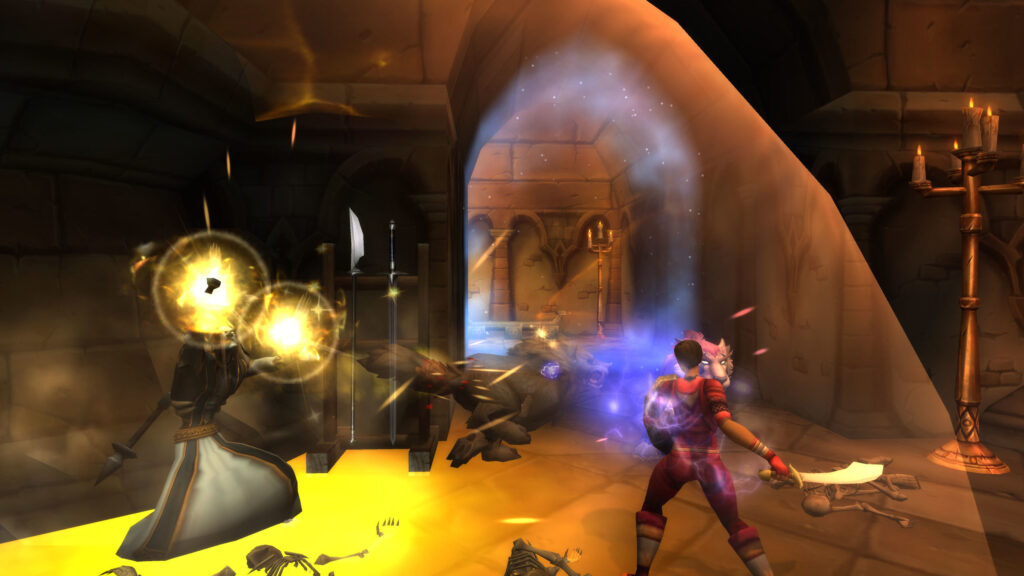
Threat is the “Social Contract” of combat. By adopting the Aggression Management mindset, you transform from a “Wild Fire” into a Controlled Combatant. You realize that your DPS is only “Good” if it doesn’t kill you. Respect the initial pull, monitor your meters, and use your dumps. You will find that your runs become smoother, your Tank becomes more confident, and you can finally Unleash Your Full Potential with the safety of a master.